Syria’s Transitional Equilibrium: One Year After Regime Change
Syria’s first year after regime change has produced a fragile but strategically significant transitional stability that is beginning to shape regional perceptions and engagement. Limited administrative recovery and renewed diplomatic and economic contacts are supporting its gradual re-emergence within Eastern Mediterranean systems. For businesses, opportunities remain early-stage and high-risk but carry geostrategic value as long as external actors sustain practical involvement in the transition.
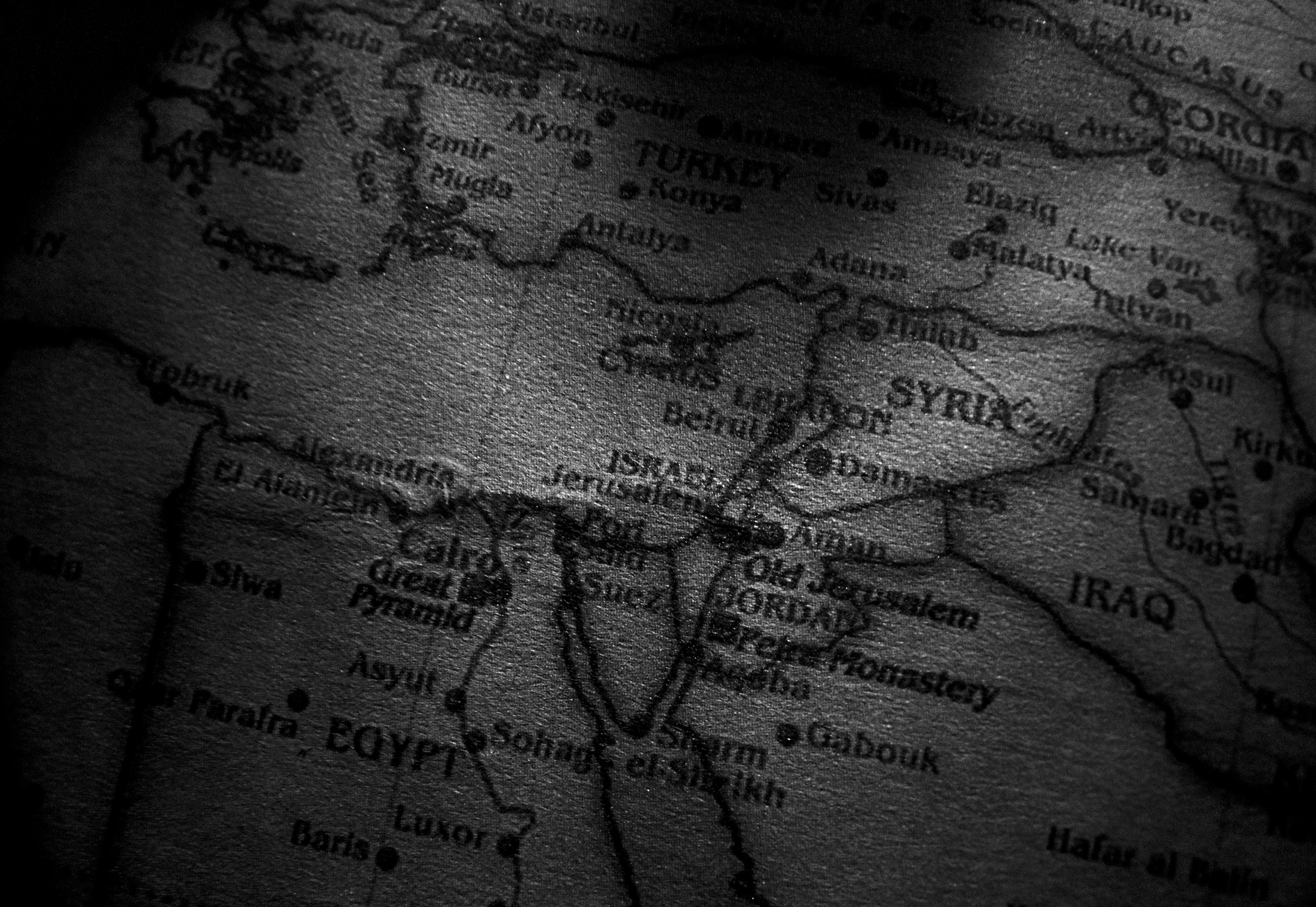
One year after the end of the Assad family’s five decades in power, Syria remains structurally fragile but has entered a cautious and strategically significant phase of transition. Years of multi-actor conflict, territorial fragmentation, external intervention and collapsing state capacity have left deep institutional damage. Yet the country is moving from war-torn isolation toward a tentative form of managed stability that is reshaping regional expectations, investment assumptions and geopolitical alignments across the Eastern Mediterranean.
This transition is still at an early and reversible stage, but it is already generating meaningful effects, above all because of how external actors interpret Syria’s steps. As seen in Egypt’s recent trajectory (see our article Egypt’s Geopolitical Credit: How Strategic Centrality Shapes the Medium-Term Fiscal Outlook), where geopolitical credit became central to fiscal recovery, stabilisation acquires weight not only through domestic reforms but through the value regional and international partners assign to it. Syria is now beginning to accumulate a similar kind of geopolitical capital, rooted in the strategic importance external actors attach to its stabilisation.
Rather than pursue rapid institutional transformation, these actors have so far prioritised continuity, risk reduction and the avoidance of renewed fragmentation. This approach has given the transitional authorities space to restore basic functions and rebuild external relationships, laying the groundwork for an initial phase of recovery.
From Collapse Prevention to Functional Stability
The immediate post-Assad period avoided the feared scenario of state disintegration. Under Ahmed al-Sharaa, a former opposition commander whose background continues to draw scrutiny, the transitional authority began the slow process of reactivating core state functions within an institutionally fractured landscape.
In spring 2025, al-Sharaa announced a cabinet presented as reflecting Syria’s diverse constituencies. Reactions were mixed: questions persisted about inclusiveness and external influence. Even so, the cabinet provided a framework for administrative continuity at a moment when uneven territorial control and external interference could easily have pushed the transition toward deeper fragmentation.
Early stabilising momentum has translated into limited but visible effects. Refugee returns, estimated at more than one million since regime change, have revived local demand and replenished parts of the labour market. Partial easing of Western sanctions and the reopening of narrow financial channels have enabled emergency stabilisation measures. Re-engagement with regional economies, including renewed energy and infrastructure discussions with Gulf and EastMed partners, has helped restore a degree of external confidence.
These developments reflect the distinctive nature of Syria’s post-authoritarian transition: modest domestic steps coinciding with calibrated external re-entry. In this environment, political stabilisation functions as an economic signal. Despite uncertainty remaining substantial, even a minimal reduction is nevertheless shaping how regional governments, financial partners and markets interpret Syria’s trajectory.
Diplomacy, Security and Strategic Interdependence
As the effects of early stabilisation have become visible, Syria’s diplomacy has begun to take clearer form. The transitional government is positioning itself within shifting security and economic architectures across the Eastern Mediterranean, where patterns of access and alignment are being renegotiated. These regional dynamics are now as consequential for Syria’s trajectory as developments within its borders.
Syria’s regional reintegration is most visible in the gradual reopening of economic and logistical channels. Trade flows with Iraq and Jordan are beginning to resume, and energy-related conversations with Egypt and Cyprus have cautiously reappeared in technical forums. Contacts with other Eastern Mediterranean states, including Greece and Lebanon, are also resurfacing in exploratory formats, reflecting broader regional efforts to stabilise transport and energy linkages. These steps do not yet amount to formal cooperation, but they signal a slow re-entry into the connectivity frameworks that anchor the wider EastMed economy.
External engagement has been enabled by a security environment that, despite its imperfections, has reduced escalation risks and provided enough stability for administrative and economic activity to take hold. Security management has relied on pragmatic accommodation with local forces and their external patrons. Rather than attempt rapid re-centralisation, the authorities have accepted a hybrid security landscape that reduces escalation risks and creates operational space for administrative and economic activity, an essential baseline for any transition emerging from prolonged conflict.
Engagement with EU bodies, UN agencies and diaspora networks has centred on institutional stabilisation: repairing financial systems, strengthening governance assessments and restoring essential public-sector functions. These channels help convert political stabilisation into practical institutional capability.
Against this backdrop, Syria’s emerging geopolitical relevance is functioning as an economic stabiliser. Regional governments, international institutions and financial partners now treat stabilisation as a shared strategic interest shaped by refugee flows, energy-corridor vulnerabilities and the risks of extremist resurgence. Their response, which includes phased sanction relief, selective investment and financial leniency, amounts to a form of geopolitical credit in which partners trade the promise of stability for time, liquidity and patience. As with Egypt, this credit is contingent; it lasts only as long as Syria maintains internal coherence and a broadly stabilising trajectory.
What This Means for Business
Syria’s first transitional year has created the outline of an operating environment in which cautious commercial engagement is again possible. Essential ministries have resumed basic functions, limited financial channels have reopened, and regional partners are revisiting discussions on energy, connectivity and reconstruction. These steps are uneven, yet they are already shaping how firms assess timing, risk and initial positioning.
Opportunities emerging at this stage align with stabilisation rather than growth. The clearest openings lie in infrastructure linked to Syria’s reintegration into regional economic corridors, from logistics hubs and warehousing to customs-digitalisation projects tied to EastMed and Gulf routes. Demand is also resurfacing across urban and social systems — power, transport, municipal services and health care — where returning populations place new pressure on local capacity. Advisory and institutional-support work is expanding as transitional authorities and external partners focus on regulatory clarity, risk management and procurement reform.
These are not yet standardised growth markets for Syria, as stabilisation needs, uneven demand and institutional fragility still shape commercial activity. Their significance lies in how they anchor Syria’s re-entry into regional systems and support the geopolitical stability its partners seek to maintain. While some short-term opportunities exist, commercial openings are shaped above all by the strategic priorities guiding external engagement.
Looking ahead: Geopolitics as Transitional Capital
One year on, Syria’s transitional equilibrium is shaped as much by external expectations of stability as by the country’s own institutional progress. This balance has enabled early commercial openings, but their durability depends on whether regional and international actors continue to view stabilisation as strategically valuable, much as Egypt’s fiscal outlook has been influenced by the geopolitical credit associated with its centrality.
That perception may not endure. It could weaken if domestic reforms stall, if localised security arrangements unravel or if regional tensions shift external priorities elsewhere. Any of these developments would challenge the assumption that Syria can sustain a coherent and gradually stabilising trajectory.
If the perception of strategic value holds, Syria may consolidate a managed path toward recovery, embedded in regional connectivity and supported by actors with incentives for continuity. If it fades, the country risks sliding back into fragmentation, undermining both political coherence and the geopolitical capital only now beginning to form.
At Levant Insights, we continue to monitor how Syria’s geopolitical, economic and institutional signals translate into opportunities and risks for organisations navigating this evolving landscape.